Sewer Lines That Fail Underground
Sewer Repair in Sayreville for damaged sewer mains confirmed by camera before excavation begins
Raritan River lowland soil shifts and freeze-thaw cycles cause joint separation in older clay and cast iron sewer mains across Sayreville, and the damage happens underground where you won't see it until waste backs up into your basement or slow drainage becomes a daily problem. Clean Drain LLC handles sewer repair for residential homes and commercial properties across Middlesex County using camera diagnosis to determine whether a spot repair is sufficient or full replacement is warranted—no excavation recommended until you see the footage, understand the problem, and approve the plan. Cheesequake area ground movement accelerates pipe failure in ways that repeat in predictable zones, and knowing where your property sits relative to those zones helps explain why your sewer line failed while your neighbor's line remains intact.
The camera confirms the scope because a separated joint in one section doesn't justify replacing 50 feet of functional pipe, and a root intrusion at a single connection point may only require clearing and sealing rather than excavation. The footage shows exactly where the damage is located, how many feet from the cleanout, and whether surrounding pipe sections are compromised or still structurally sound.
Arrange a camera inspection and repair estimate to address your failing sewer line and confirm the repair scope before excavation begins.
What Proper Sewer Repair Requires
Sewer repair starts with camera footage that shows the failure point, surrounding pipe condition, and depth of the line from grade. That information determines whether trenchless lining stabilizes a cracked section without digging, whether a spot excavation replaces one damaged segment, or whether a full line replacement is necessary because multiple joints have separated and the pipe has lost structural integrity.
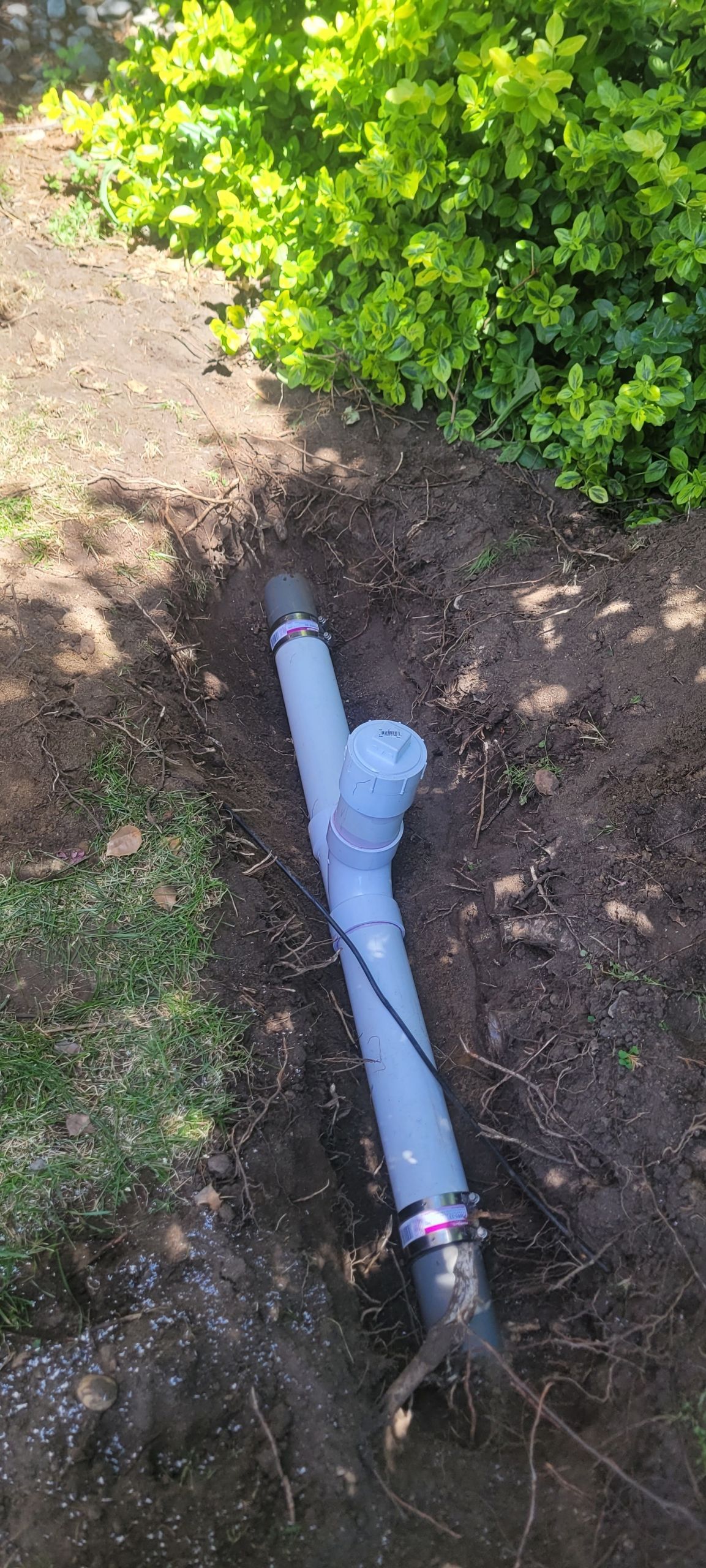
Once the repair method is selected, excavation exposes only the damaged section, the failed pipe is removed and replaced with schedule 40 PVC or other code-compliant material, and backfill is compacted in lifts to prevent settling. The line is tested for leaks before the trench is closed, and a final camera pass confirms the repair is watertight and properly aligned with upstream and downstream sections.
Clean Drain LLC serves residential and commercial properties with 24/7 emergency availability for active sewer failures that prevent fixture drainage or cause basement backups. The camera runs first regardless of urgency because digging without knowing the exact failure location wastes time and increases cost when the problem could have been pinpointed in 20 minutes.
Answers to Frequent Service Questions
Sewer line failure is a high-stress situation, and knowing what the repair process involves helps property owners evaluate quotes and avoid contractors who dig first and ask questions later.
What does the camera show before a sewer repair is recommended?
The camera displays the failure point, surrounding pipe condition, root intrusion or joint separation, and whether the line maintains proper slope downstream—all documented with distance markers so you know exactly how many feet from the cleanout the excavation will occur.
How is the repair method selected?
Spot repairs are used when one joint or short section has failed and surrounding pipe is intact; trenchless lining stabilizes cracked or corroded pipe without excavation; full replacement is recommended when multiple failure points or complete joint separation make partial repair impractical or likely to fail again within a few years.
Why do sewer lines fail in Sayreville more often than newer developments?
Older clay and cast iron sewer mains installed before modern bedding and backfill standards are vulnerable to soil settling, freeze-thaw ground movement, and root intrusion at joints that weren't sealed with gaskets—problems that accumulate over decades and eventually cause the line to separate or collapse under normal use.
What happens during the excavation and replacement process?
The damaged section is exposed, the failed pipe is cut out and removed, new schedule 40 PVC pipe is installed with proper slope and joint sealing, backfill is compacted in layers to prevent future settling, and the line is tested for leaks before the trench is closed and grading is restored.
How long does a typical sewer repair take from diagnosis to completion?
Spot repairs with straightforward access are often completed in one day; full line replacements or repairs requiring coordination with municipal inspectors may take two to three days depending on trench length, depth, and whether driveway or landscaping restoration is included in the scope.
Sewer failures don't fix themselves, and delaying the repair increases the risk of complete line collapse or
basement contamination during the next heavy use period. Clean Drain LLC runs the camera first, reviews the footage with you on-site, and recommends only the work the evidence supports—surgical sewer repair backed by camera proof, not a contractor who digs first and asks questions later.